
October 10, 2026



Willows are generous trees. They grow fast, tolerate wet ground and give you screening, catkins and winter colour within a few years of planting. That same vigour makes them a target: soft new growth is easy to feed on, and the damp conditions willows enjoy suit a handful of fungi very well. Most willow problems, though, are recognisable at a glance once you know what you are looking for, and few of them will kill an otherwise healthy tree. What follows is a straightforward identification checklist for the UK, plus the treatments that genuinely earn their keep.
Before naming a culprit, note three things: which part of the tree is affected, when the symptoms first appeared, and whether the pattern is even or patchy. Work through it in this order.
That shortlist takes a minute or two. Then confirm it by looking closely at the underside of a few affected leaves, and at the bark of any dying shoot.
The giant willow aphid is the one that gets noticed. It gathers in dense clusters of large grey-brown insects on stems and older branches rather than on leaf tips, usually from mid or late summer into autumn. Feed on the honeydew they excrete and you will notice sooty mould blackening the bark below, ants running up and down the trunk, and wasps arriving in numbers.
Aphids rarely harm a well-established willow, but they are unsightly and the honeydew drips onto anything underneath. Blast colonies off with a firm jet of water, encourage ladybirds, hoverflies and lacewings by leaving a few open-faced flowers nearby, and fit a grease band or barrier to stop ants farming the colonies. On young or newly planted willows, check the growing tips weekly from spring — small trees have less to spare. Avoid heavy nitrogen feeding, which produces exactly the soft, sappy growth aphids prefer.
Willow rust is unmistakable once you turn a leaf over: bright orange to yellow powdery pustules scattered across the underside, with yellow mottling on the upper surface above them. It usually appears from midsummer and worsens through a humid late summer, and crack willow, white willow and many weeping forms are among the more susceptible. Badly affected trees shed leaves early, sometimes in August, and repeated years of defoliation will thin the crown.
Rust spores overwinter on fallen leaves, so raking up and binning the debris beneath a susceptible willow makes a real difference. Thin congested growth to let air move through the crown, water at the roots rather than over the foliage, and keep the tree vigorous without pushing it with nitrogen. Fungicides are rarely worth the trouble on a garden tree, and spraying a large willow effectively is not realistic anyway.
Look for dark, sunken spots on leaves that spread into blackened patches on young shoots, followed by twigs dying back and cankers forming on small branches. Willow anthracnose and willow scab both do their worst in wet springs and on trees that are crowded, waterlogged or otherwise stressed.
Cut out affected shoots back into clean, healthy wood, and do it in dry weather so spores are not spread on wet tools. Wipe your secateurs with a disinfectant between cuts, and put the prunings in the bin or burn them rather than adding them to the compost heap. Clear fallen leaves at the end of the season, thin out congested stems, and hold off late-season nitrogen feeds that drive soft growth into autumn. A young willow that is repeatedly stripped and blackened may be better replaced with a more resistant species than nursed along for years.
Crown gall shows as rough, woody, knobbly growths at the base of the trunk, on the roots, and occasionally higher up. It is caused by a soil bacterium that enters through wounds, often from strimmers, mowers or careless planting. The galls disrupt the movement of water and nutrients, so trees stunt, yellow and start to die back.
There is no cure. Remove and destroy badly affected young trees, and avoid replanting the same spot with a susceptible willow straight away. Buy from a reputable nursery, plant so the root flare sits at soil level, and keep grass and machinery away from the trunk. On any large willow, check the trunk each year for sunken bark, splits or dark weeping patches — if the main trunk is involved, it is worth asking a qualified arborist about the tree's safety before you decide anything else.
Plenty of willow problems are neither pest nor disease, and misdiagnosing them leads to pointless spraying. Before you treat anything, rule these out:
Willows reward a little forward planning more than any spray. Plant them where they have room and moisture, well away from drains, boundaries and foundations, because the roots travel and the wood is brittle. Water young trees properly through their first two summers, mulch with a clear gap around the trunk, and prune while dormant in late winter — cutting in late spring, when sap is rising, leaves wounds that bleed and heal slowly.
Clean your tools between trees, clear fallen leaves under rust-prone varieties, and inspect young willows every week or so through the growing season and established ones once a month. Tolerate the cosmetic damage: a few aphids, a bit of rust and the odd red pimple gall on the leaves are part of growing a willow, and a healthy tree will simply grow past them.
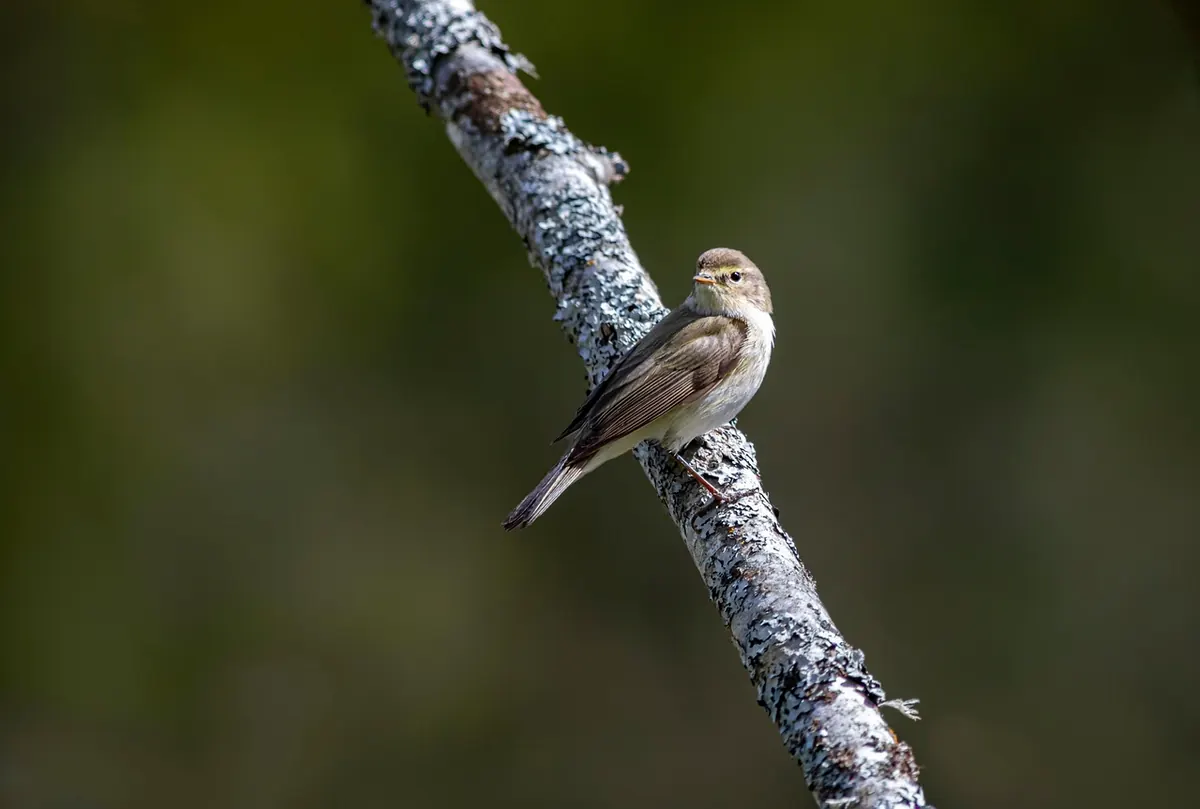
Photo: Tia Pashukhina / Pexels

Your guide to growing and using willow.
Copyright © 2026 Willow Guide. All rights reserved. Willow Guide.