
October 10, 2026


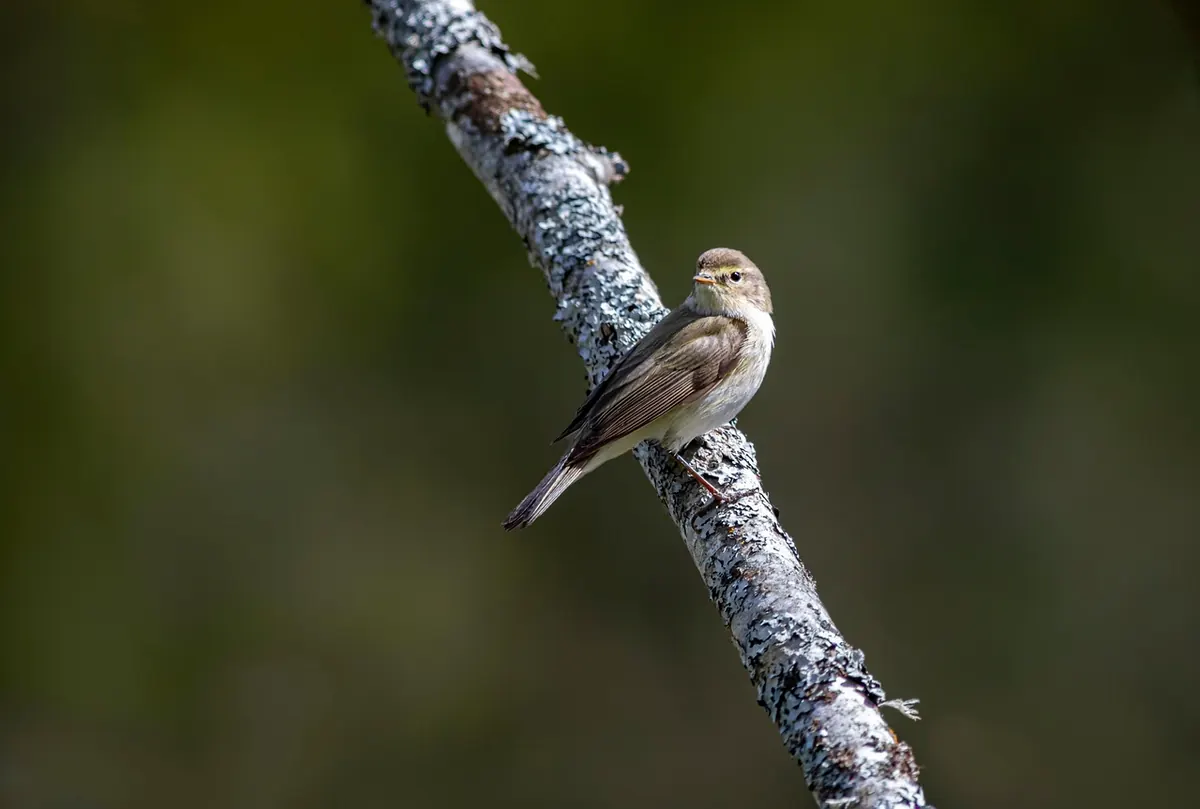

Willows have a reputation for size. Crack willows along a riverbank, osiers in a wet corner of a field — the family is full of plants that want room, and that reputation puts a lot of gardeners off before they have looked at the smaller end of the genus. It is a mistake. There are willows that stay under knee height, willows that form neat rounded shrubs for a border or a large pot, and grafted weepers that earn their place on a patio. Most of them produce catkins in late winter, when very little else is doing anything, and almost all of them cope with heavier, damper ground than most shrubs will tolerate.
Three things matter: the height the plant actually reaches, how well it takes pruning, and where the roots are heading.
Most shrubby willows regrow willingly from old wood. That is the great advantage in a small space, because you can hold a plant at the size you want rather than the size the label promises. Willows are also thirsty, and roots travel towards moisture. A willow planted a metre from a drain, soakaway or house foundation is asking for trouble. In a courtyard or a paved garden, a large container is often the better answer.
Probably the best all-round small willow for a British garden. It builds a slow, rounded mound of blue-green leaves, roughly a metre high in time, and opens silvery-grey catkins in March on bare dark stems before the foliage appears. Grow it in sun or light shade, in any soil that does not bake dry, and it will sit happily in a generous pot for years. Prune after flowering: take out a few of the oldest stems to the base each spring, or cut the whole plant to about 30cm every third year in late winter to keep it dense.
Dwarf purple osier is the willow to choose if you want structure. It makes a compact rounded shrub of 1–1.5m, with narrow blue-green leaves on red-purple stems that look good in winter. Small grey catkins with red anthers appear in early spring. It clips well and can be run as a low hedge along a boundary or a path, and it shrugs off wind and coastal exposure. Trim in late winter for a tight hedge, or straight after flowering if you would rather keep the catkins. It never sulks after hard cutting.
The woolly willow comes from Scottish mountain ground and wears its name well: rounded leaves covered in fine silver-grey down. It reaches about 1.5m at most, often less, and its fat yellow-grey catkins in spring are a good early source of pollen for bees. It wants sun and soil that stays moist but drains, and it dislikes being cut back into old wood. Trim lightly after flowering, removing a little growth each year rather than a lot at once. In a hot, dry southern garden it can struggle; a partly shaded spot with reliable moisture suits it better.
A Japanese selection with rounded pink-grey catkins borne on reddish stems in early spring, followed by blue-green leaves. It stays compact at 1.2–1.5m and fits neatly into a mixed border, where its early colour is a useful bridge between winter shrubs and summer perennials. Prune immediately after the catkins fade, cutting the flowered stems back to a couple of buds on the framework. Leave the pruning until late spring and you will cut away next year's flowers.
A British native that sprawls rather than climbs, usually 30–60cm tall but spreading a metre or more. It is excellent at the front of a border, on a bank, in a gravel garden or tumbling over the edge of a pot, and it tolerates poor sandy soil and damp ground alike. Round catkins open with the leaves in spring. It needs little more than a light trim after flowering if it wanders further than you want, and it can seed itself about, so keep an eye on it near a lawn.
One of the smallest willows you can grow, and one of the slowest. Given ten years it may reach 30–60cm, forming a gnarled little shrub of rounded grey leaves on twiggy stems. It belongs in a raised bed, a stone trough or a rock garden pocket, in gritty, free-draining compost, in full sun. Winter wet is the usual reason it fails, so sharp drainage matters more than rich soil. There is nothing to prune beyond the odd dead twig.
The classic weeping pussy willow, grafted onto a clear stem so the branches cascade from the top. Overall height depends on the stem, usually somewhere between 1.5m and 2.5m, which makes it a realistic patio plant. The large grey catkins in early spring are the reason to grow it. Prune in late winter: cut the weeping shoots back to within a few buds of the graft, and rub out any shoots that appear lower down the stem, or the plant will lose its shape. Stake the head in windy spots.
The flamingo willow, grown either as a bush or as a standard with a rounded head, and prized for foliage that opens pink, white and green. It reaches 1.5–2.5m. Colour is best on fresh growth, so prune hard in early spring — a bush to around 30–60cm, a standard head to a compact framework. Throughout summer, cut out any all-green shoots as they appear, since these reverted stems will take over if ignored. Dry soil causes scorching and leaf drop, so water container plants steadily.
For containers, choose a pot at least 35–45cm across, use a loam-based compost and plant so the rootball sits at the same level as before. Water thoroughly, then keep the compost evenly moist — in hot weather a thirsty willow in a pot may need watering daily. A mulch of bark or gravel over the surface slows evaporation and keeps the roots cool. Feed lightly in spring; rich feeding produces loose, floppy growth and a plant much bigger than you planned.
In open ground, keep willows well clear of drains, soakaways, foundations and paved areas, and site them where their roots can find moisture without causing trouble. Compact willows rarely need support, though grafted standards benefit from a stake for the first couple of years. If you want more plants, the easiest route is a hardwood cutting pushed into damp soil in late winter; willows root so readily that a stem left in a jar of water will often oblige, which makes them generous plants to share with neighbours.
Photo: Neville Hawkins / Pexels

Your guide to growing and using willow.
Copyright © 2026 Willow Guide. All rights reserved. Willow Guide.