October 10, 2026



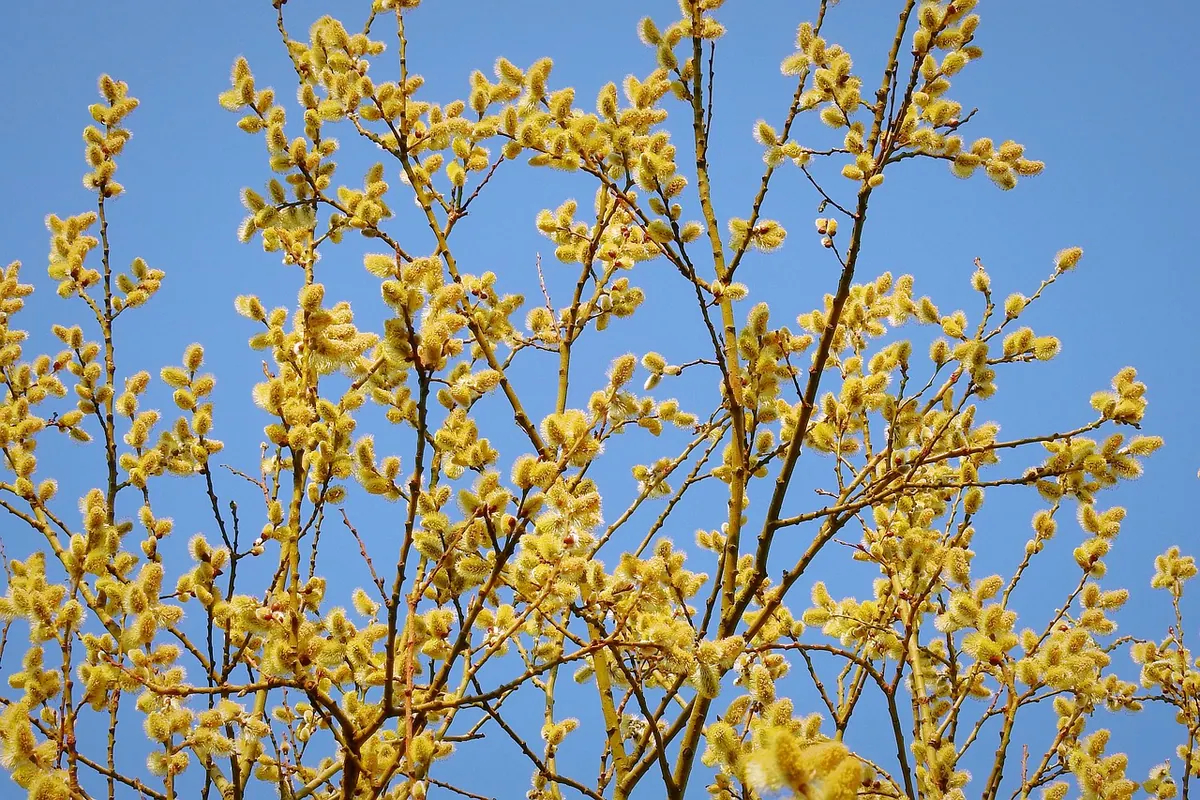
Willows are forgiving trees. Push a dormant rod into damp ground in February and there is a fair chance it will root. That tolerance makes them easy to plant, and just as easy to plant badly — in the wrong corner, too deep, or where the roots will eventually reach a drain. Get the first afternoon right and you will have one of the fastest-growing trees in Britain on your hands. Here is how to do it properly.
Before you think about compost, measure. Willows vary enormously in size. A weeping willow will eventually want fifteen metres or more of room and a broad, sweeping crown. Shrubby types such as purple osier, common osier and the dwarf alpine willow stay manageable in a border or even a large container.
Willow roots are shallow, wide-spreading and drawn to water. That is a gift on a boggy patch at the end of the garden and a nuisance near drainage pipes, soakaways, foundations or a septic tank. As a rule of thumb, give a large willow ten metres or more of clear distance from any building, and keep it well away from pipework you cannot afford to dig up. Small shrub willows are far less of a concern.
Willows grow best in full sun. They will tolerate partial shade, but they stretch, lose density and become more prone to rust and aphids. Shelter matters too: young stems are brittle, and an exposed, windy corner means snapped leaders and a tree that rocks itself loose before the roots have gripped. As for the ground, ordinary borders suit them fine, and they are one of the few trees that positively enjoy a wet, heavy spot where little else thrives.
Bare-root willows are lifted without soil and sold from November to March while dormant. They are cheaper, establish quickly and let you spread the roots out properly. Plant them on a mild day when the ground is neither frozen nor so wet that it smears into a paste. Soak the roots in a bucket of water for a couple of hours before planting.
Potted willows can go in at almost any time the soil can be worked, though autumn is ideal because the roots settle before the dry spells arrive. Avoid high summer and hard frost. Water the pot thoroughly an hour before you ease the tree out, so the rootball holds together.
Dig a hole two to three times the width of the rootball, but no deeper than the roots actually need. Fork over the base to break up any pan, and rough the sides with a fork rather than polishing them smooth with a spade — roots find it much harder to push through a glazed surface.
Mix the excavated soil with a couple of handfuls of garden compost or well-rotted manure. Skip fertiliser at planting; it encourages soft top growth when you want root growth. Clear grass and perennial weeds within a metre of the trunk, as competition slows establishment more than most gardeners expect.
A single stake driven to about two-thirds of the trunk height, with a soft figure-of-eight tie that allows a little movement, is usually enough. That movement builds a stronger trunk than rigid support does. Check ties each spring, loosen them as the trunk thickens, and take the stake out after two growing seasons. Shrub willows grown for coppicing or a hedge need no support at all.
Through the first summer, water deeply once a week in dry weather. A slow soak is worth far more than a daily sprinkle, which only wets the surface. Keep the metre around the base clear of grass and weeds; mulch does most of that work for you. Protect young bark from rabbits and deer with a spiral guard if either is about. Aphids, willow rust and gall mites are common and rarely worth spraying — on a healthy tree they are cosmetic.
Leave the tree alone in its first year apart from cutting out broken or crossing shoots in late winter. After that, shrub willows can be coppiced or pollarded on a regular cycle to keep them compact and colourful. For weeping willows, thin overcrowded shoots and remove any strong growth shooting from below the graft.
If you want a willow cheaply, take hardwood cuttings in late winter. Cut a pencil-thick stem into lengths of 30–45 cm, push two-thirds of each into damp soil, and keep them watered through the first summer. Many will root without any help. Named varieties must be grown this way to stay true, so a cutting from a friend's tree will give you exactly the same plant.
Check the mature size against the space you have, then check it again. Plant between November and March if you can, water properly in the first summer, and keep the base clear of weeds. A willow is not a tree you can plant and forget, but it is one of the few that will forgive a first-time planter. Give it light, water and room, and it will do the rest.
Photo: VanFulpen / Pixabay

Your guide to growing and using willow.
Copyright © 2026 Willow Guide. All rights reserved. Willow Guide.